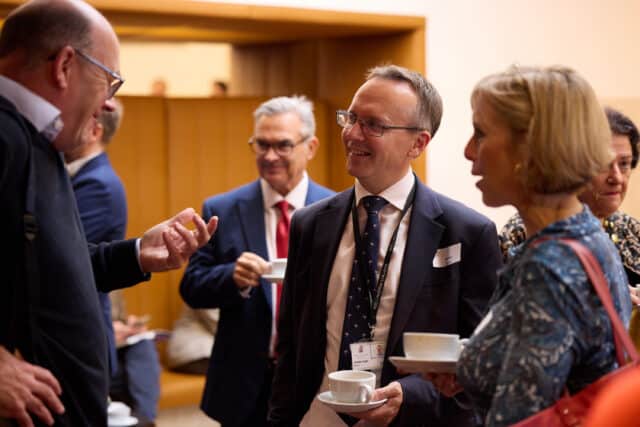
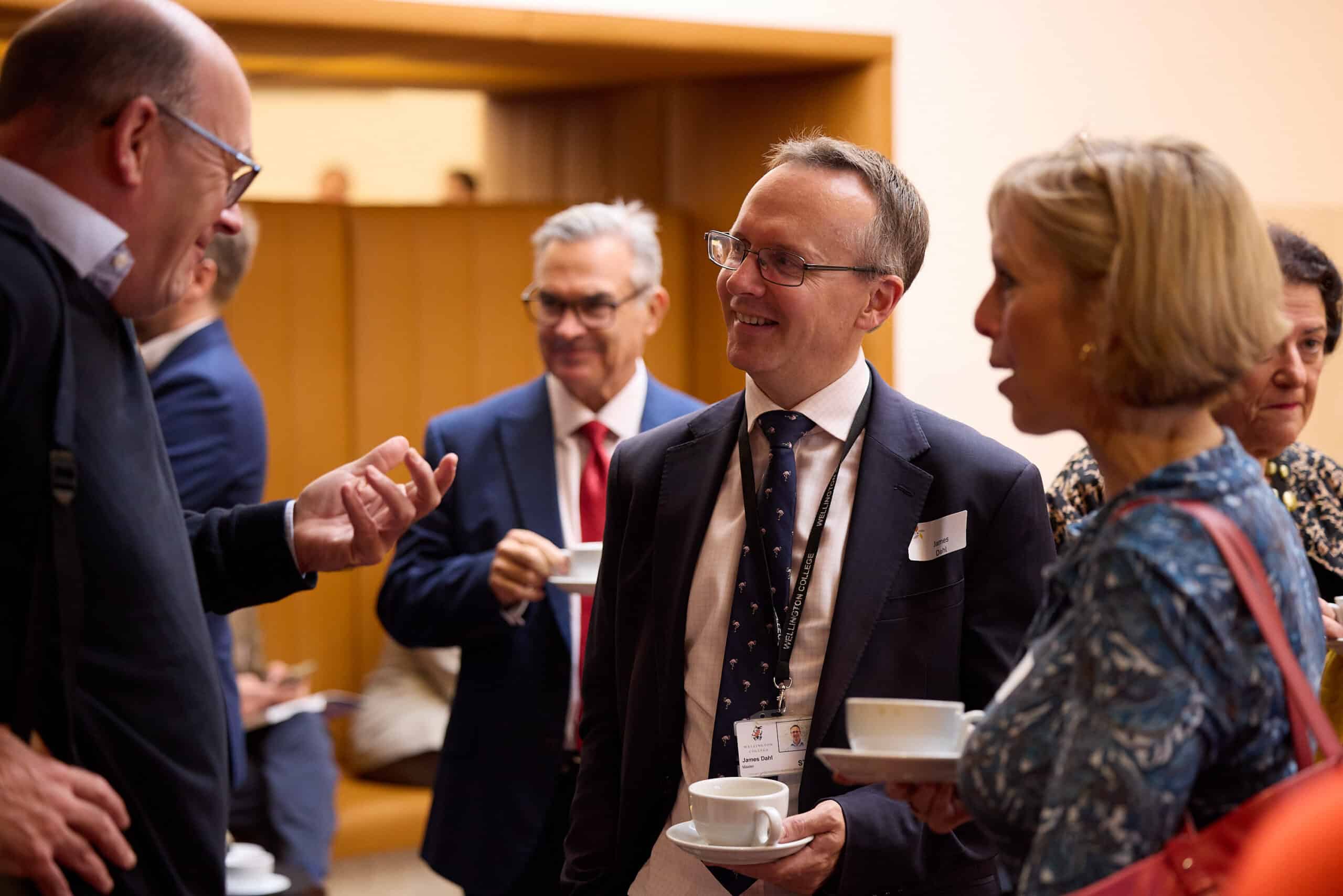
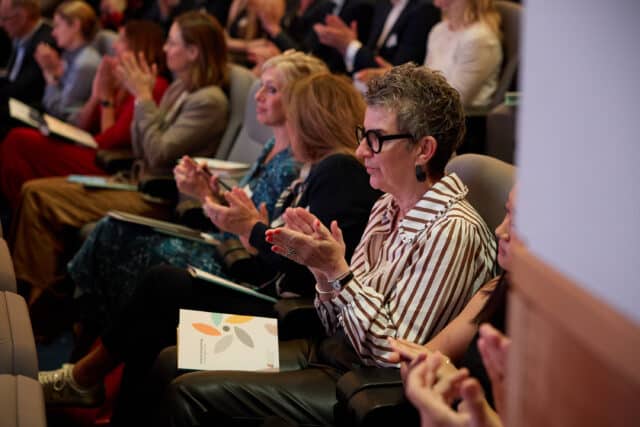
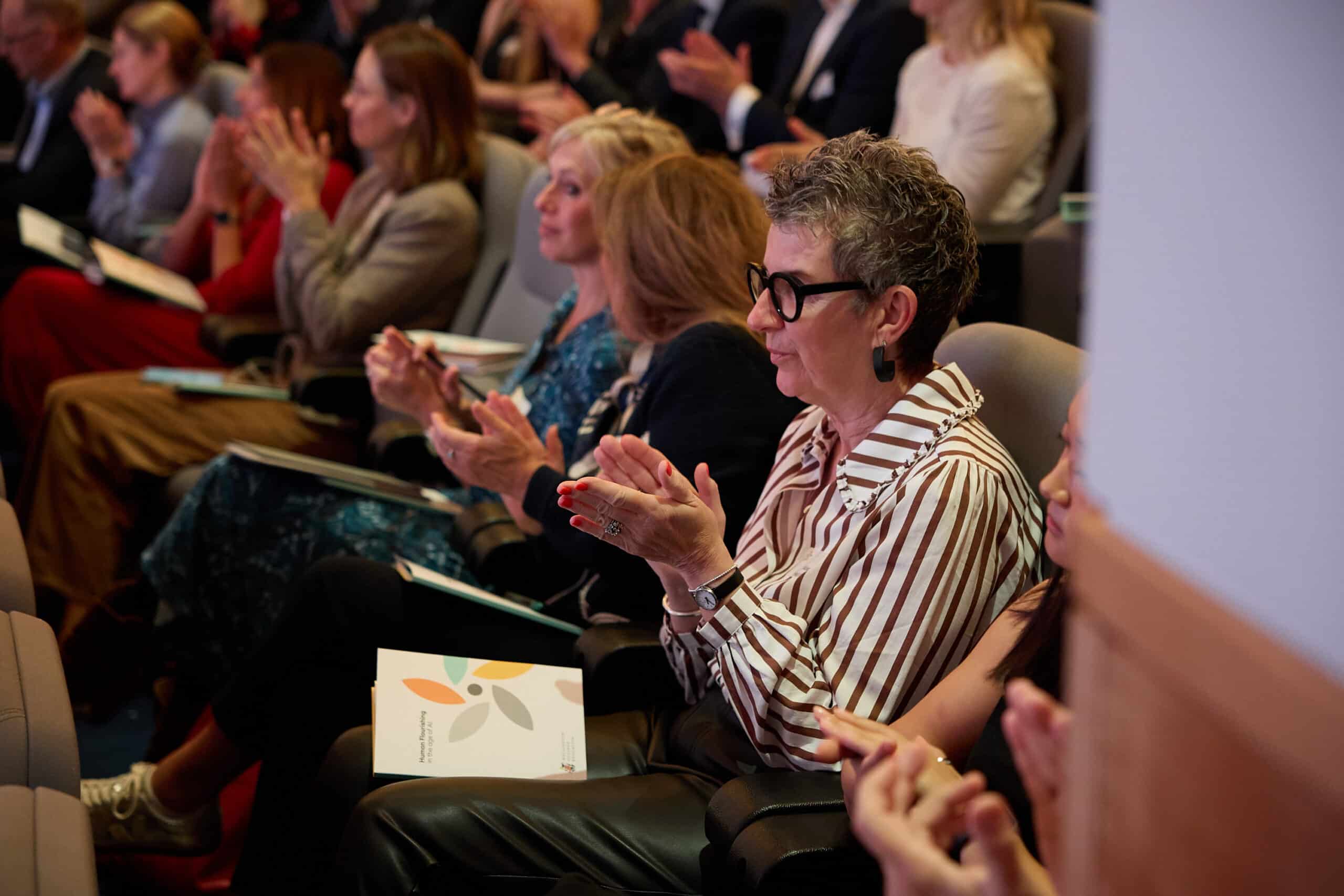
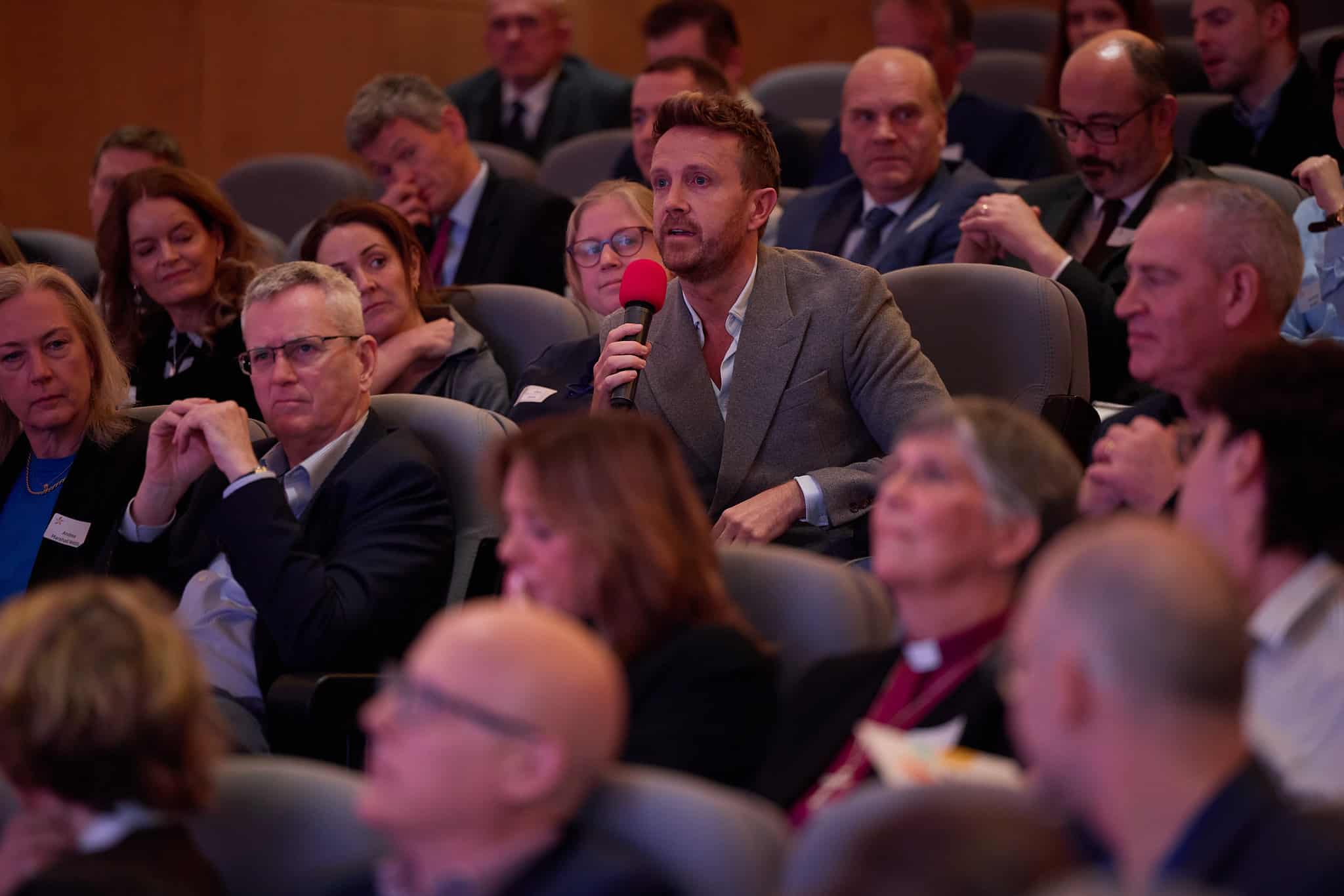
Almost 200 educators, policymakers, employers and business leaders gathered at the British Library on Monday 12 October for the launch of Human Flourishing in the age of AI, a national campaign from Wellington College Education calling for a fresh approach to education.
The event marked the publication of a new manifesto, which aims to start a national conversation about what it means to be truly educated in an age of artificial intelligence, and how schools can best prepare young people for the future.
-
- Usage by written agreement only.
-
- Usage by written agreement only.

Drawing on the OECD’s Education for Human Flourishing framework, the manifesto argues that while academic excellence remains essential, schools must also help young people develop the skills and qualities they will need throughout their lives. It identifies five key competencies to sit alongside strong foundations in mathematics, science and language: understanding the world, appreciating the world, adaptive problem-solving, ethical competence and acting in the world.
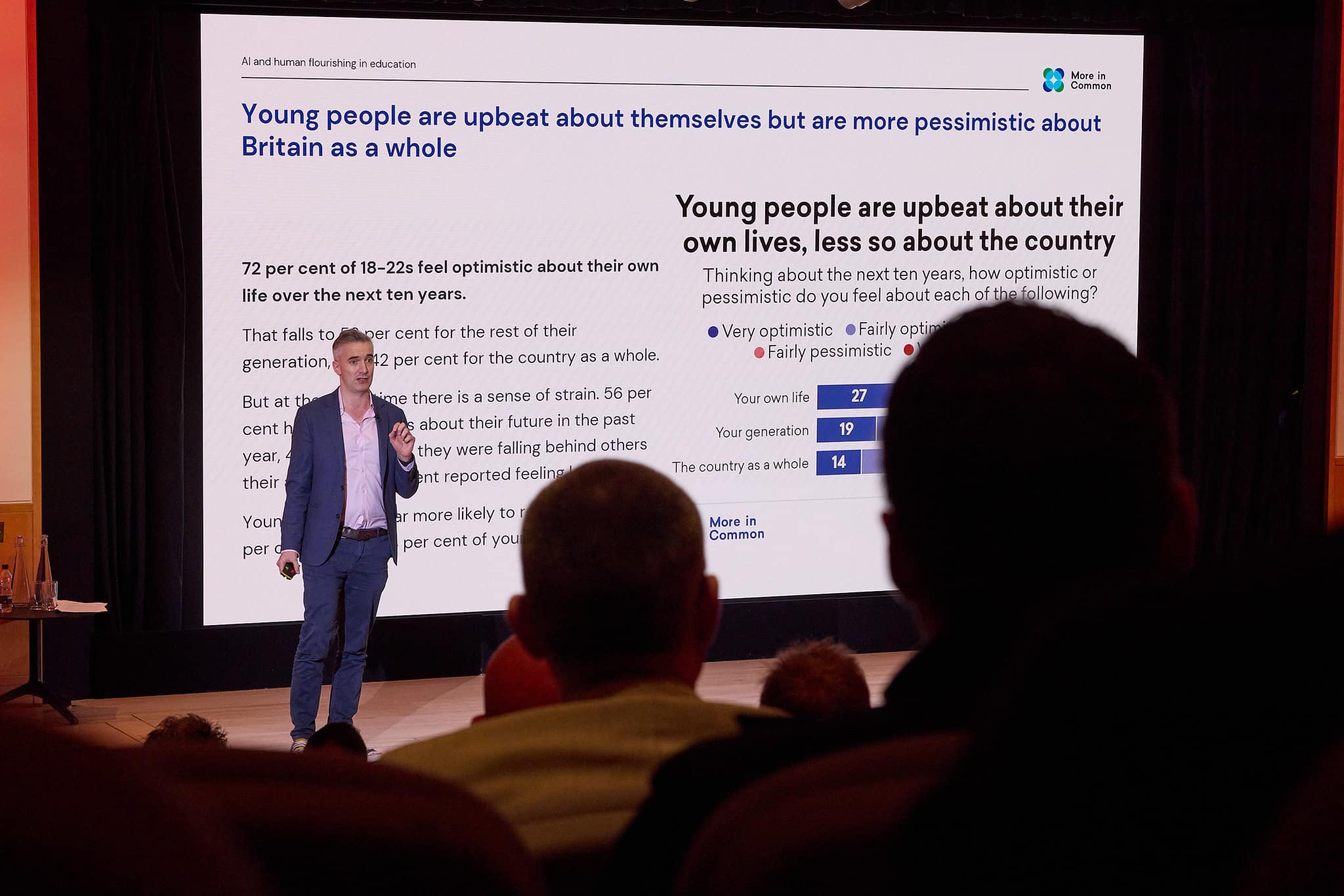
The launch also saw the publication of new research conducted by More in Common, highlighting the growing influence of AI on young people’s education.
The findings reveal that 81% of students have used AI for their studies, yet only 22% say they have been taught how to use it well at school. More than two-thirds (68%) of young people who use AI say it has at least partly replaced working things out for themselves, while 56% of 18 to 22-year-olds say they have felt anxious about their future in the past year.
The research also found that 59% of parents and 52% of young people would like to see clear national guidance on how AI is used in schools and universities.
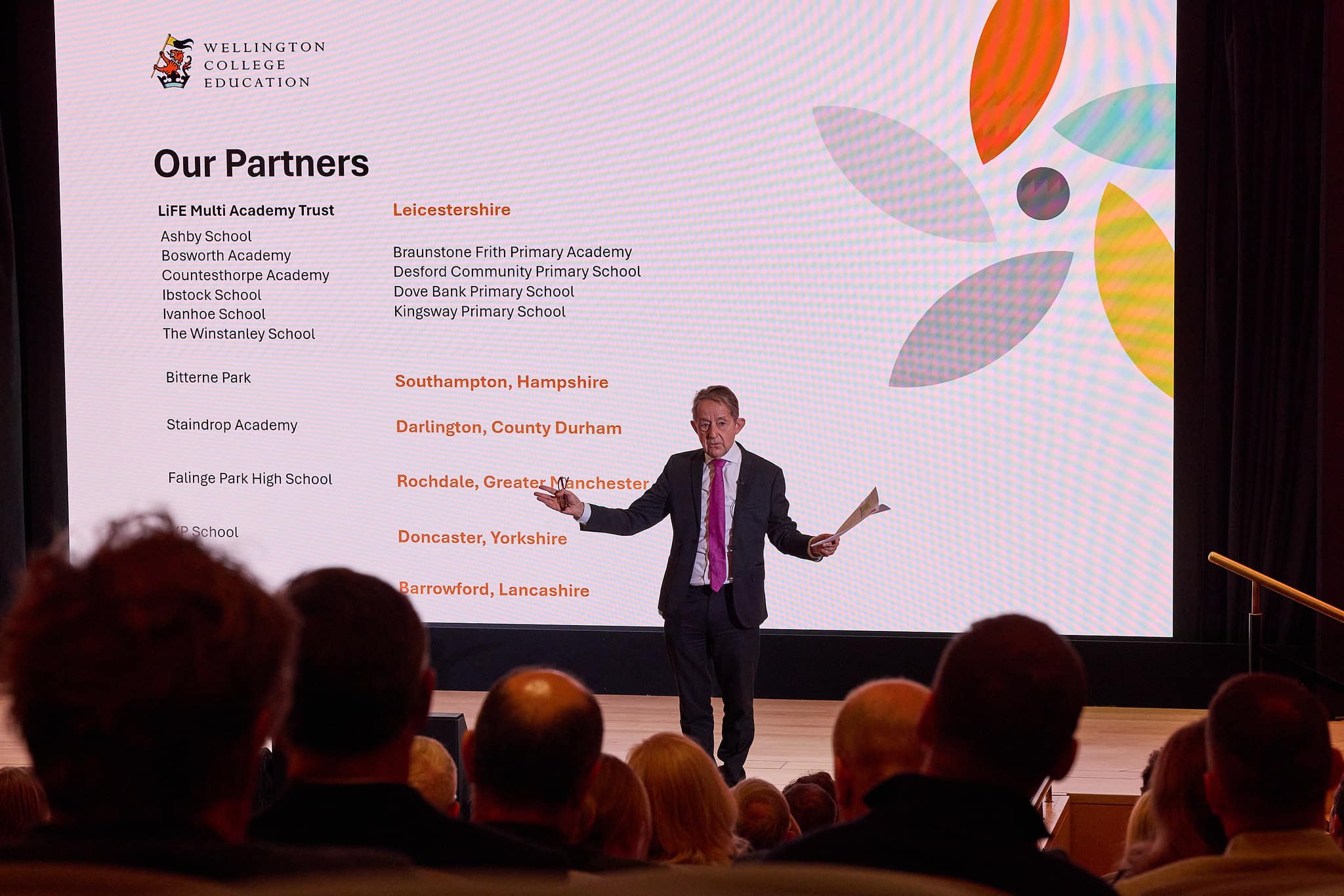
Speaking about the launch, Sir Anthony Seldon, Founding Director of Wellington College Education, said:
“Education should help every young person discover who they are and what they can achieve, how to contribute to society and the economy, how to succeed in life and to connect with others. Passing exams is necessary to this but not sufficient.”
Wellington College has already begun putting these ideas into practice. Since September 2025, the College has been running an Education for Human Flourishing proof of concept, and this academic year has started embedding the five competencies across its academic, co-curricular and pastoral programmes.
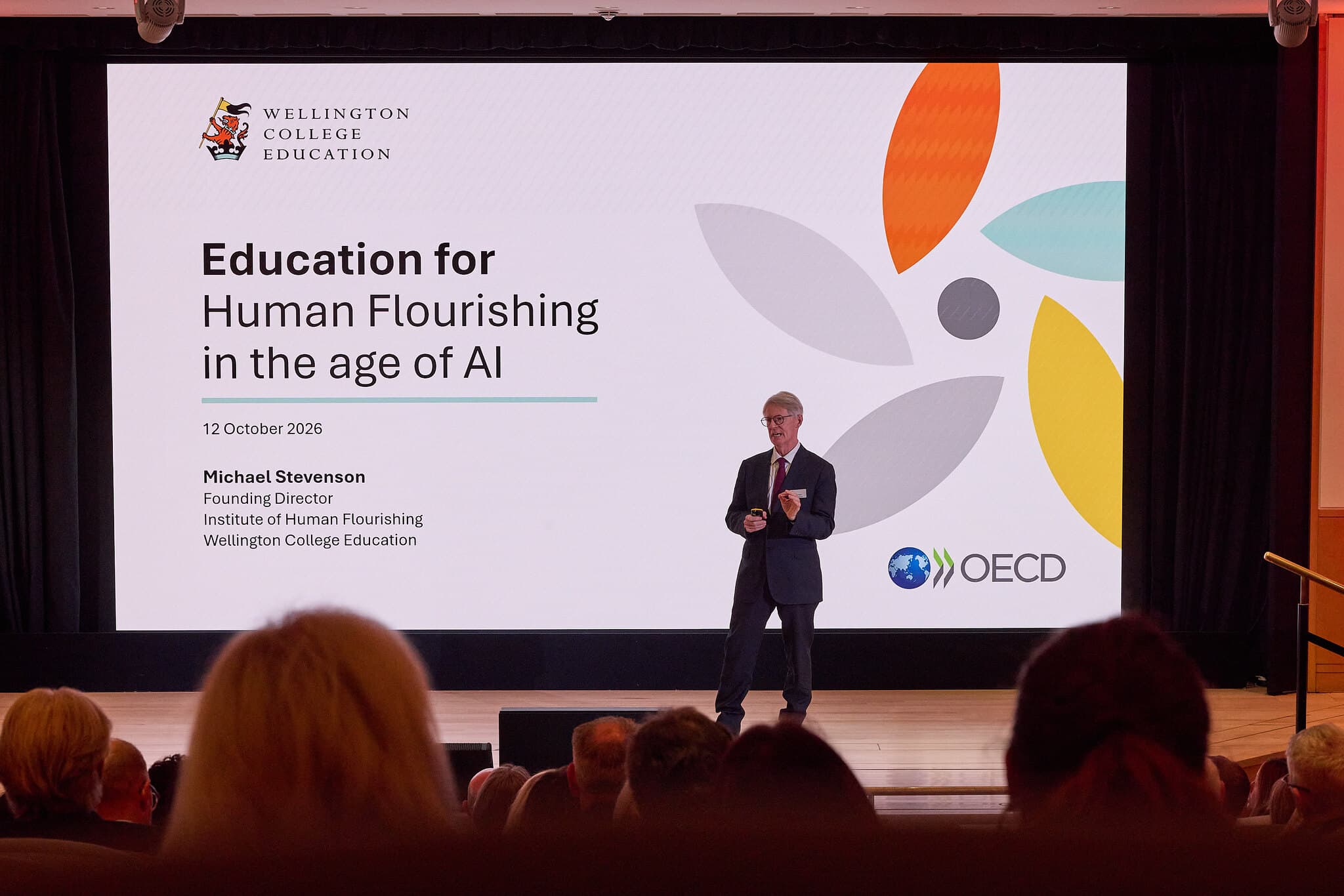
This work is supported by two new institutes at Wellington College Education: the Institute of Human Flourishing, led by Michael Stevenson, who previously led the development of the OECD framework, and the Institute of AI, led by Chris Rothwell, formerly UK Director of Education at Microsoft.
The manifesto has also received support from leading figures across education, business and public life, including Andreas Schleicher, Director for Education and Skills at the OECD; Lord O’Donnell, former Cabinet Secretary; Gillian Tett, Provost of King’s College, Cambridge; and Olli-Pekka Heinonen, Director General of the International Baccalaureate.
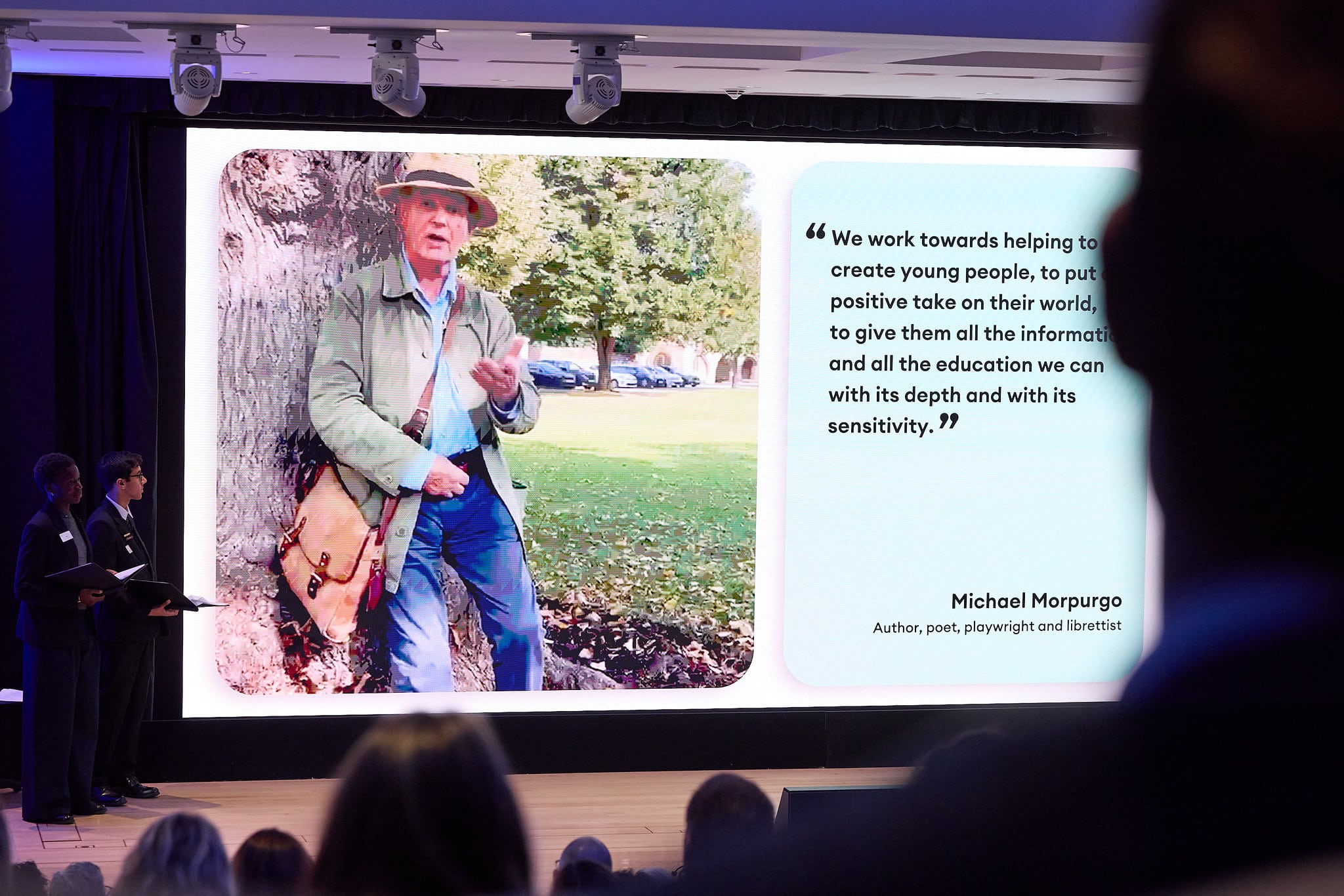
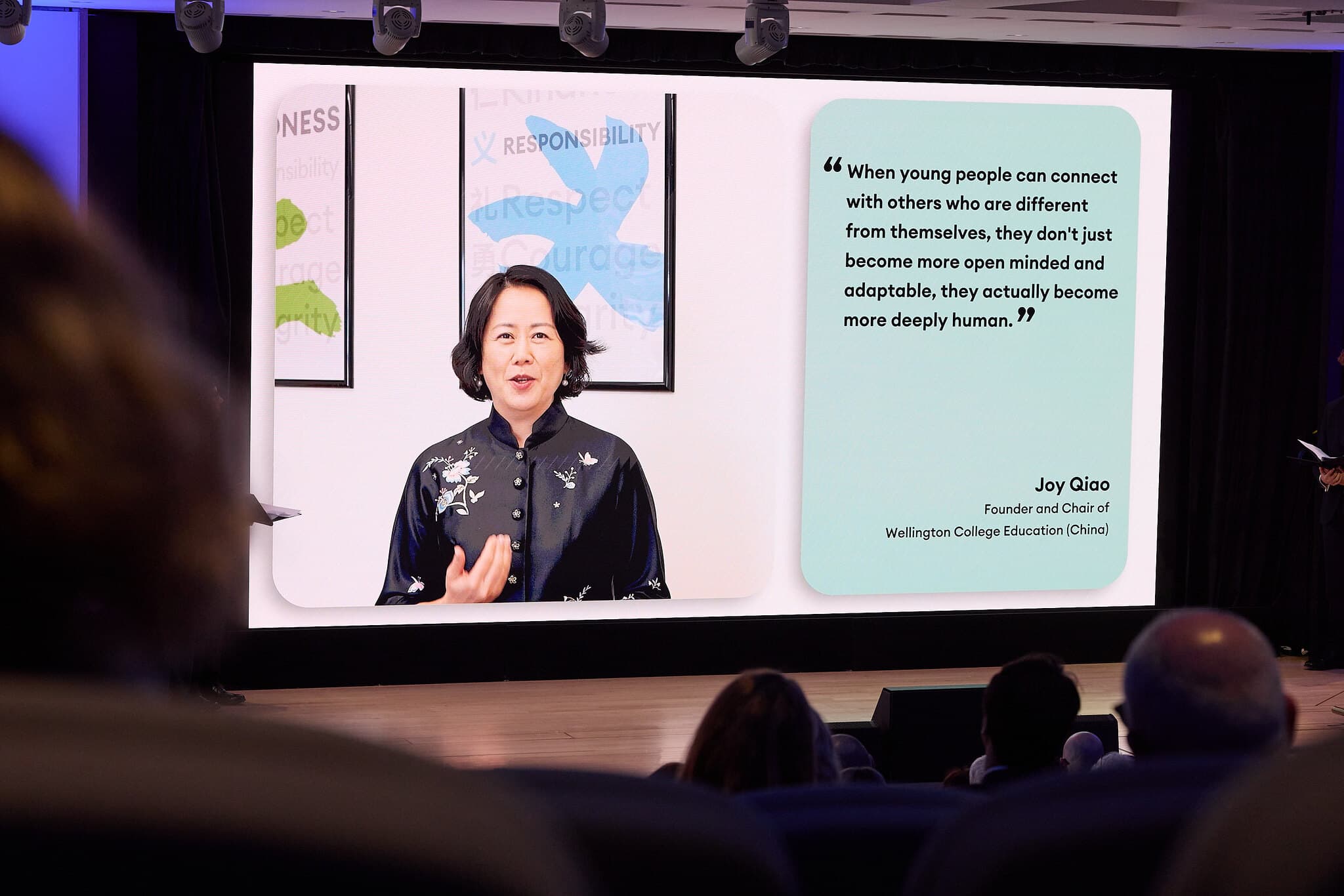
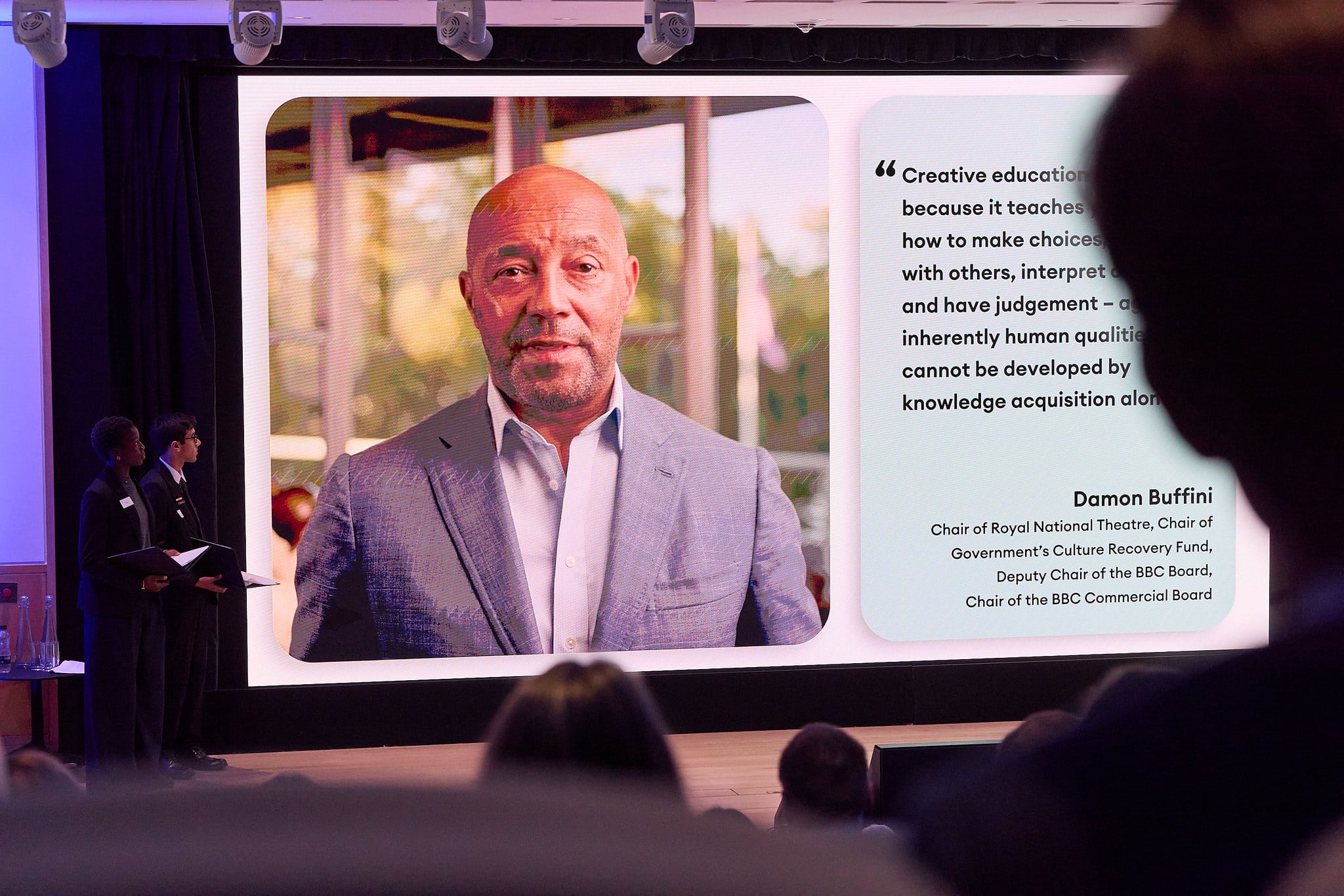
The British Library event marks the beginning of a wider national conversation, with Wellington College Education inviting parents, pupils, alumni, educators, employers and policymakers to share their views on the future of education.
The ideas and contributions gathered will help inform the next stage of the campaign, with further plans to be shared at the Wellington College Festival of Education in July 2027.
All materials from the launch can be found here.
To find out more, read the manifesto and join the conversation, visit humanflourishing.wellingtoncollegeeducation.com.